
Arbeau, tree intelligence

Tree intelligence for designed landscapes, living streets and climate-ready places.
A working library of trees for Southern African planting, built for the people who have to choose them. Every species carries its mature size, its climate fit, its tolerances and the practical constraints that decide whether it belongs on a site, alongside a full-length portrait of the tree itself.
Early release Arbeau is a new and growing tree library. We are testing the platform and reviewing species information to resolve factual inconsistencies and improve regional detail. Treat profiles as decision support alongside local conditions and professional judgement.
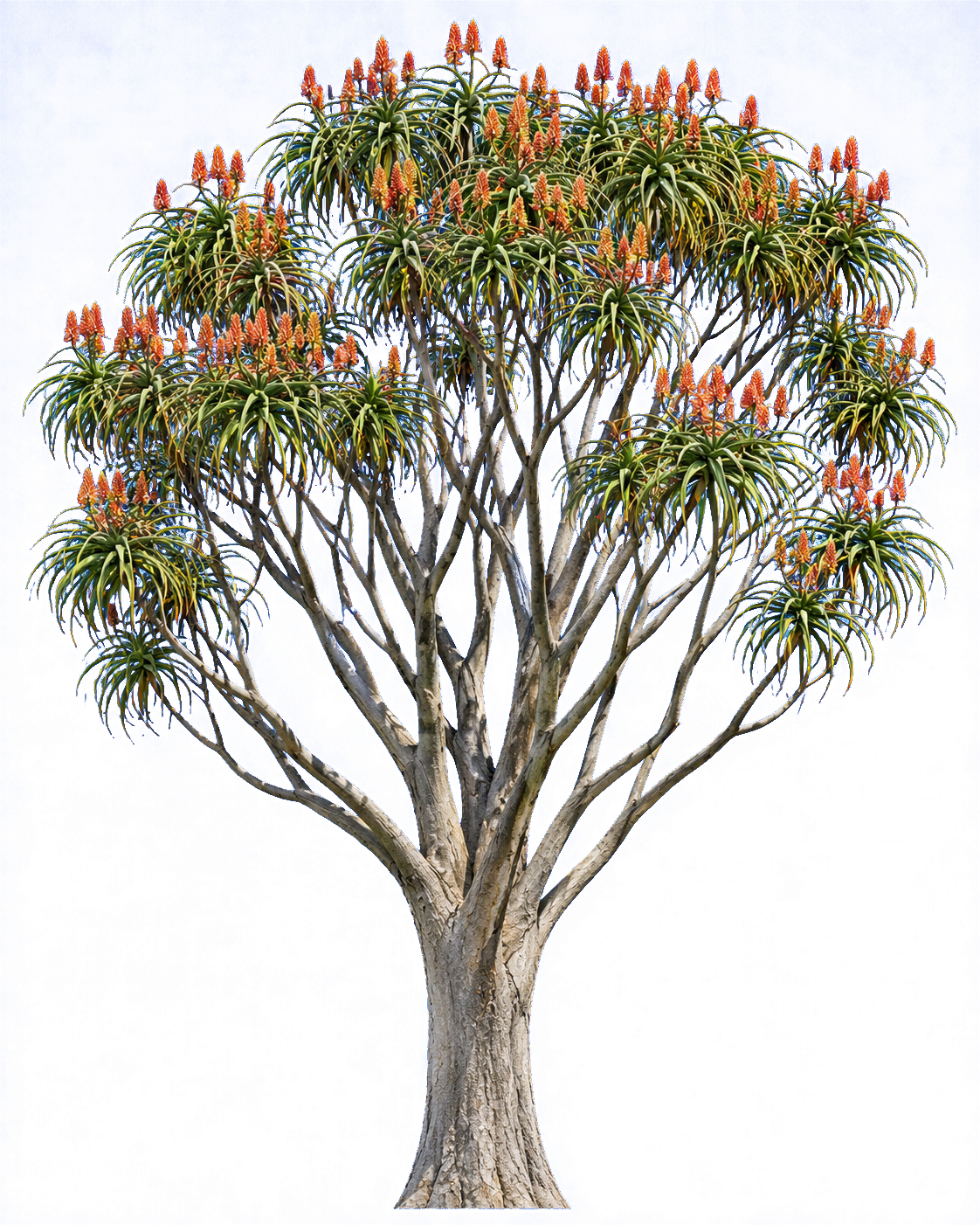 Aloidendron barberae
The library is open and working
Search and filter the whole library
Search by botanical or common name, then narrow by climate region, landscape use and leaf retention. Set a planting project and two further filters appear: how each species sits in your local range, and how well it fits your project climate.
See the tree before you specify it
Every published species has a full-length portrait on a neutral ground, showing habit, canopy density, foliage texture and trunk character. Where a species has been rendered in more than one season or stage, those are shown together on its profile.
Read the constraints, not just the character
Each profile separates form and performance, design fit and climate fit. Mature and harsh-site dimensions, growth rate, six separate tolerances, root behaviour, site suitability for pits, parking, avenues, coastal exposure and buried services, and any safety or maintenance warnings the species carries.
- Choose a species that fits the space it is given
- A tree that outgrows its site is a tree that gets removed. Mature height and spread sit beside the height and spread the same species reaches on an exposed windy site, so the figure you plan with is the one that matches the conditions you have.
- Understand the character before it is planted
- Canopy form, foliage texture, seasonal behaviour and trunk character are difficult to judge from a name and a nursery photograph of a young specimen. The portraits show the mature tree.
- See what will make it difficult later
- Root behaviour, litter and fruit fall, thorniness, irrigation to establish and long-term maintenance are recorded as plainly as the flowering season. The constraints are part of the specification, not a footnote to it.
A visual field guide
8 of the 213 species in the library, shown as full-length portraits on a neutral ground so that habit, canopy density, foliage texture and trunk character can be compared at a glance. Open any of them for the full profile.
Aloidendron barberae
Tree Aloe
Succulent Tree · Evergreen · 18 m
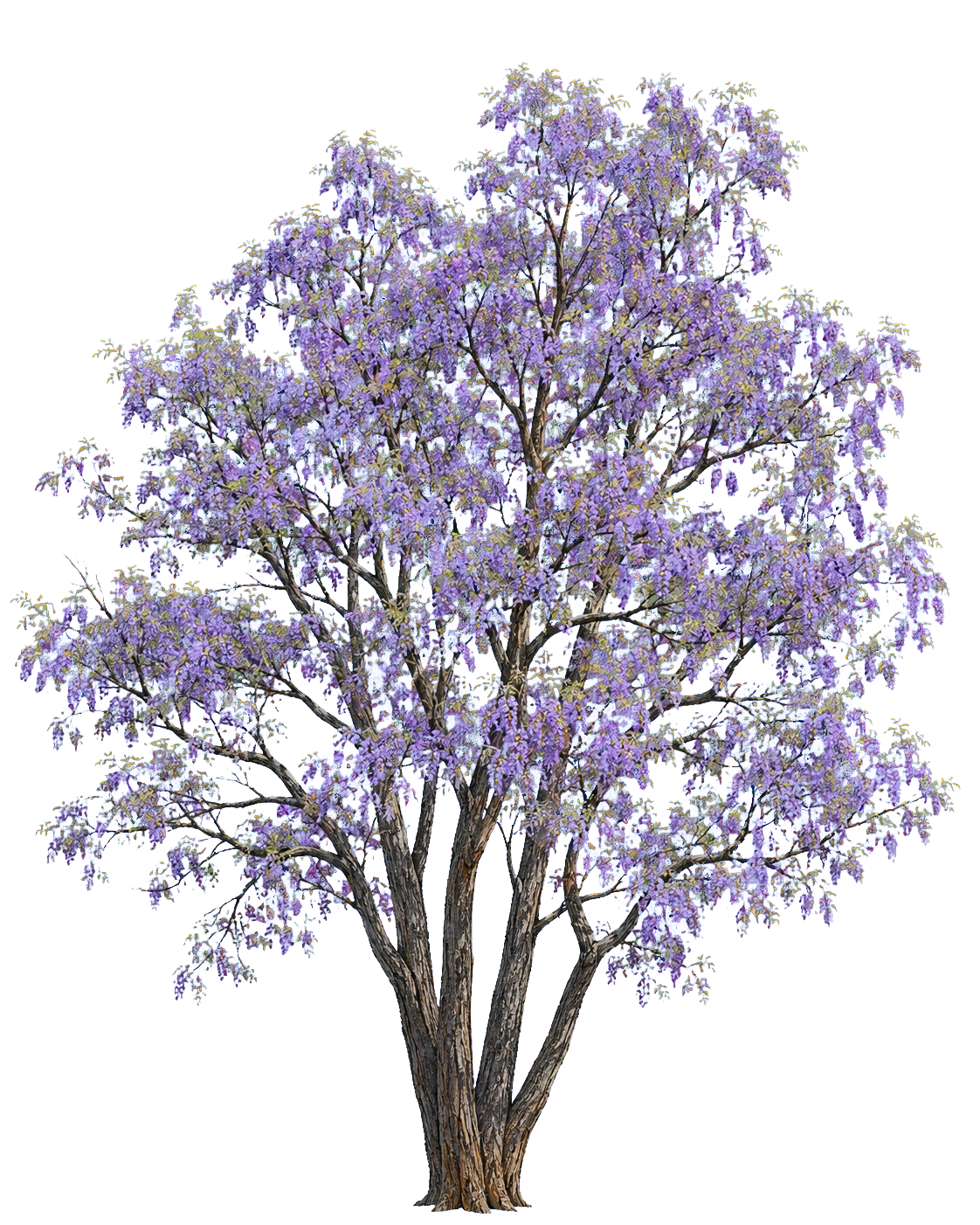
Bolusanthus speciosus
Tree Wisteria
Upright · Drought Deciduous · 10 m
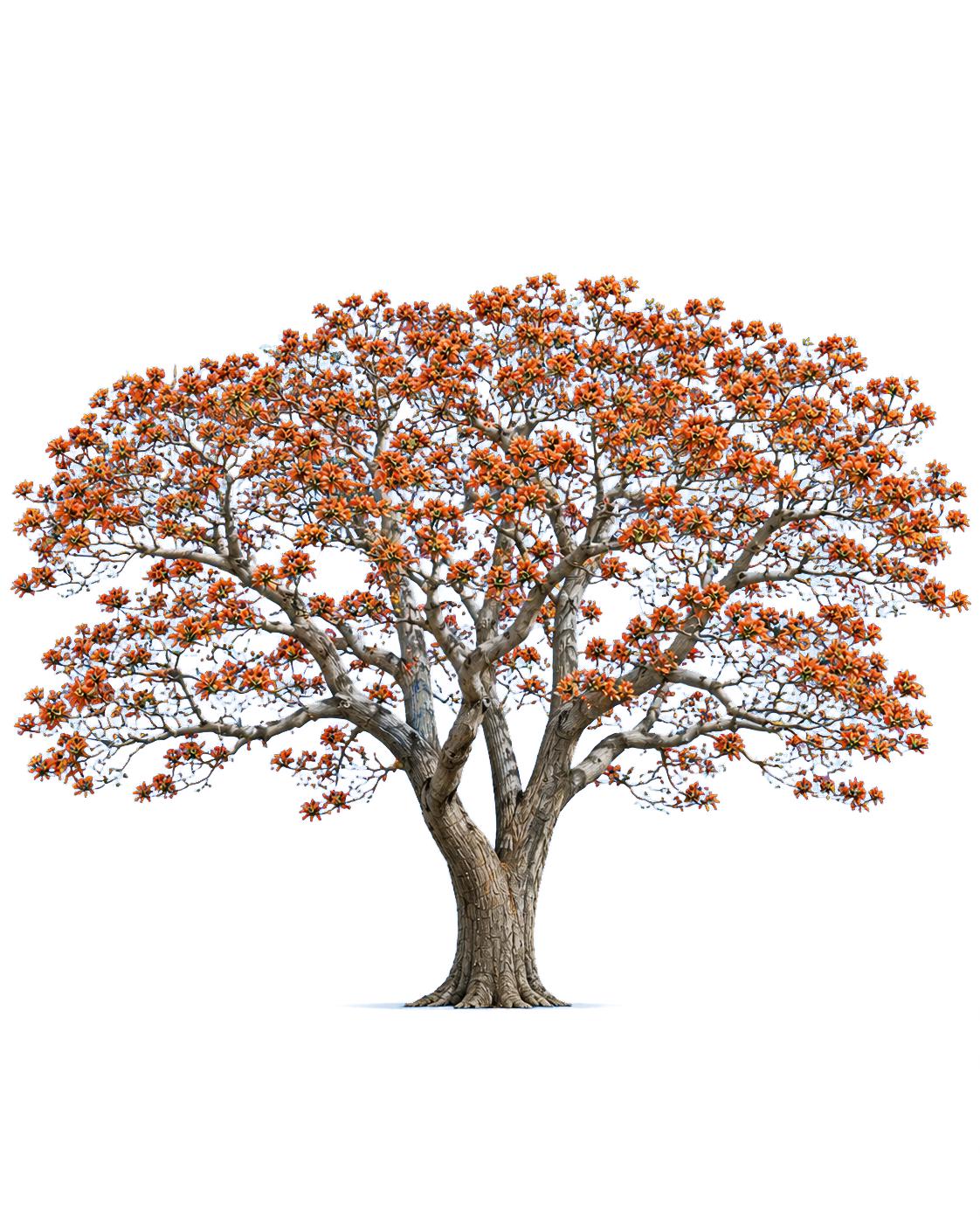
Erythrina caffra
Coastal Coral Tree
Spreading · Drought Deciduous · 15 m
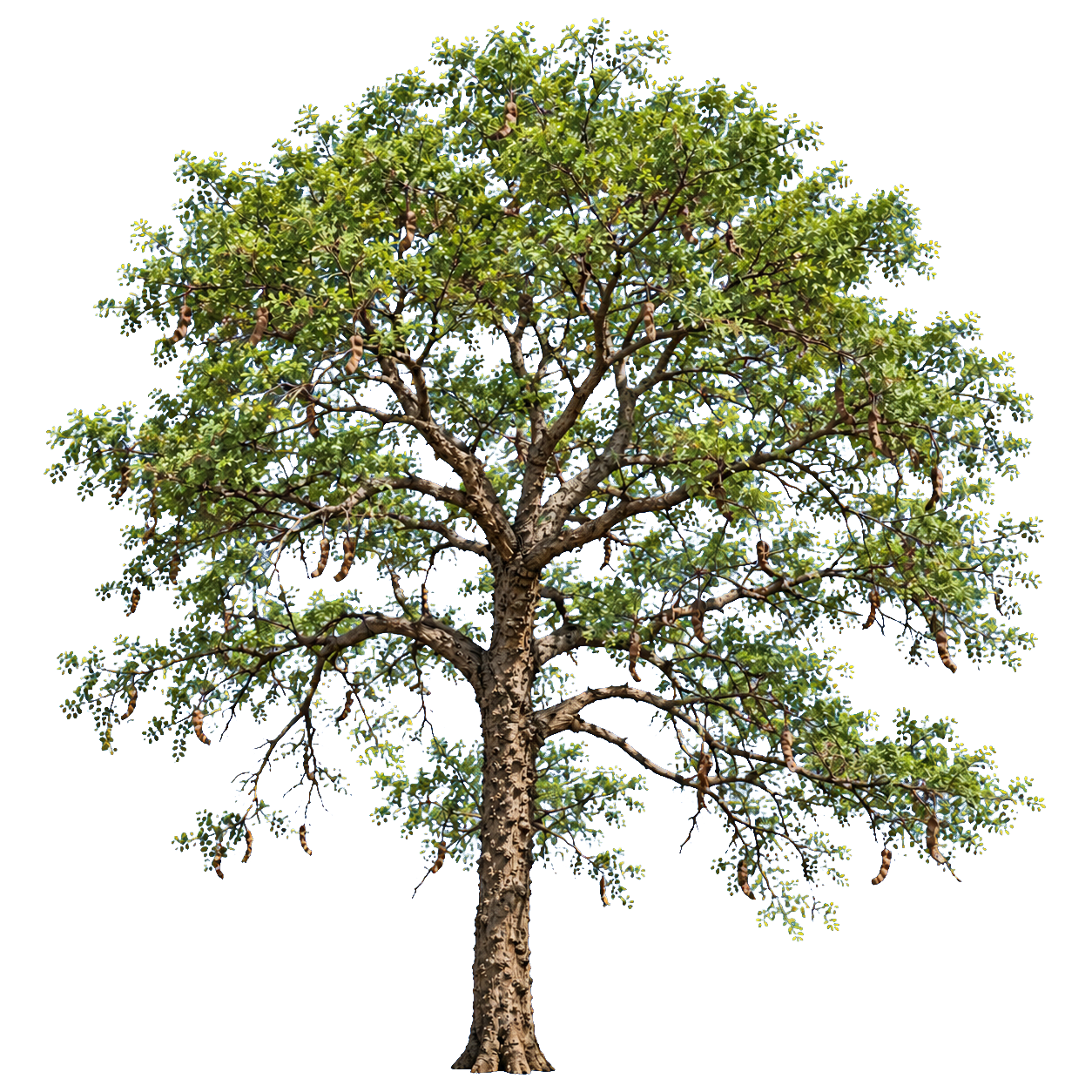
Vachellia nigrescens
Knob Thorn
Upright · Drought Deciduous · 18 m
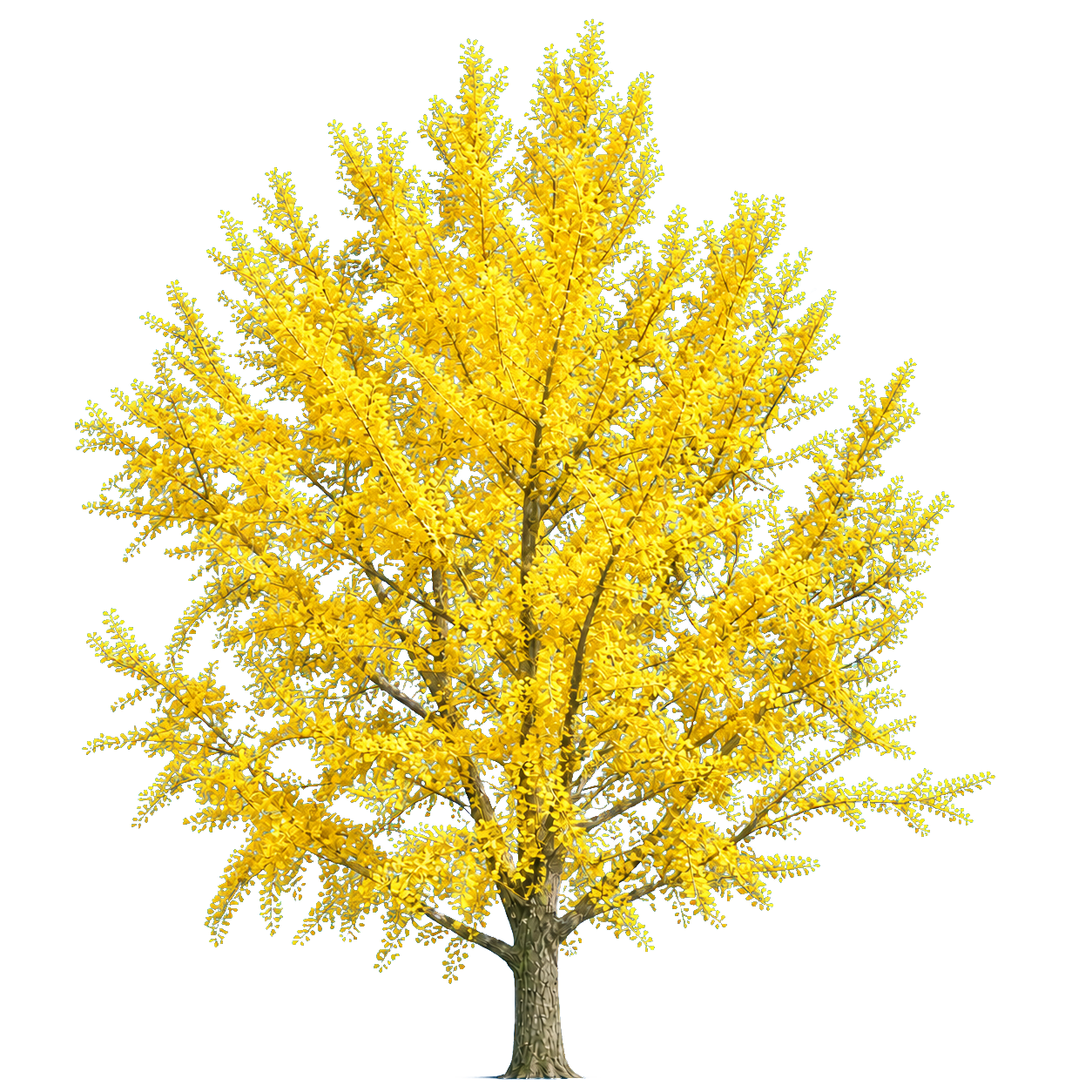
Ginkgo biloba
Ginkgo / Maidenhair Tree
Pyramidal · Deciduous · 25 m
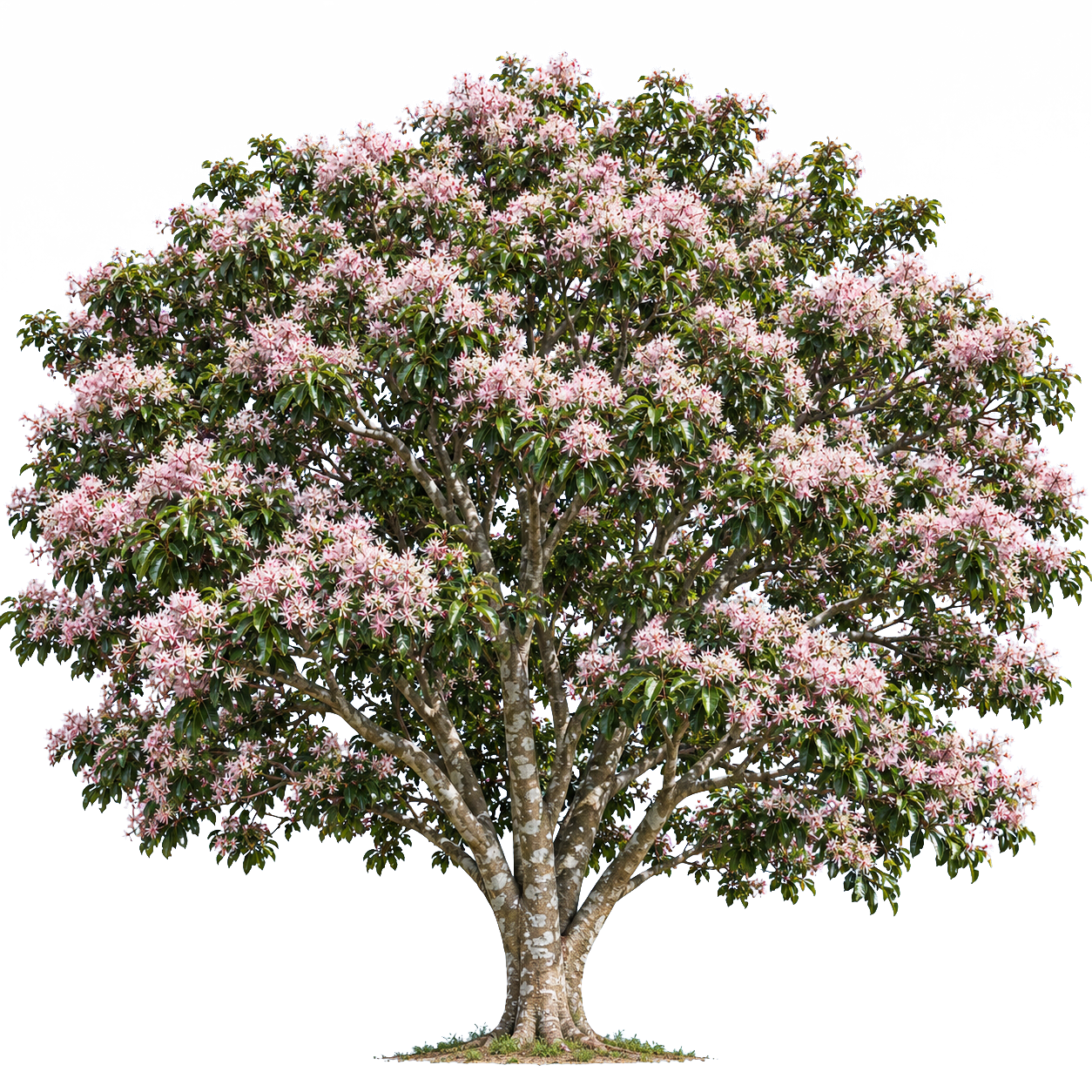
Calodendrum capense
Cape Chestnut
Rounded · Semi-evergreen · 7 m
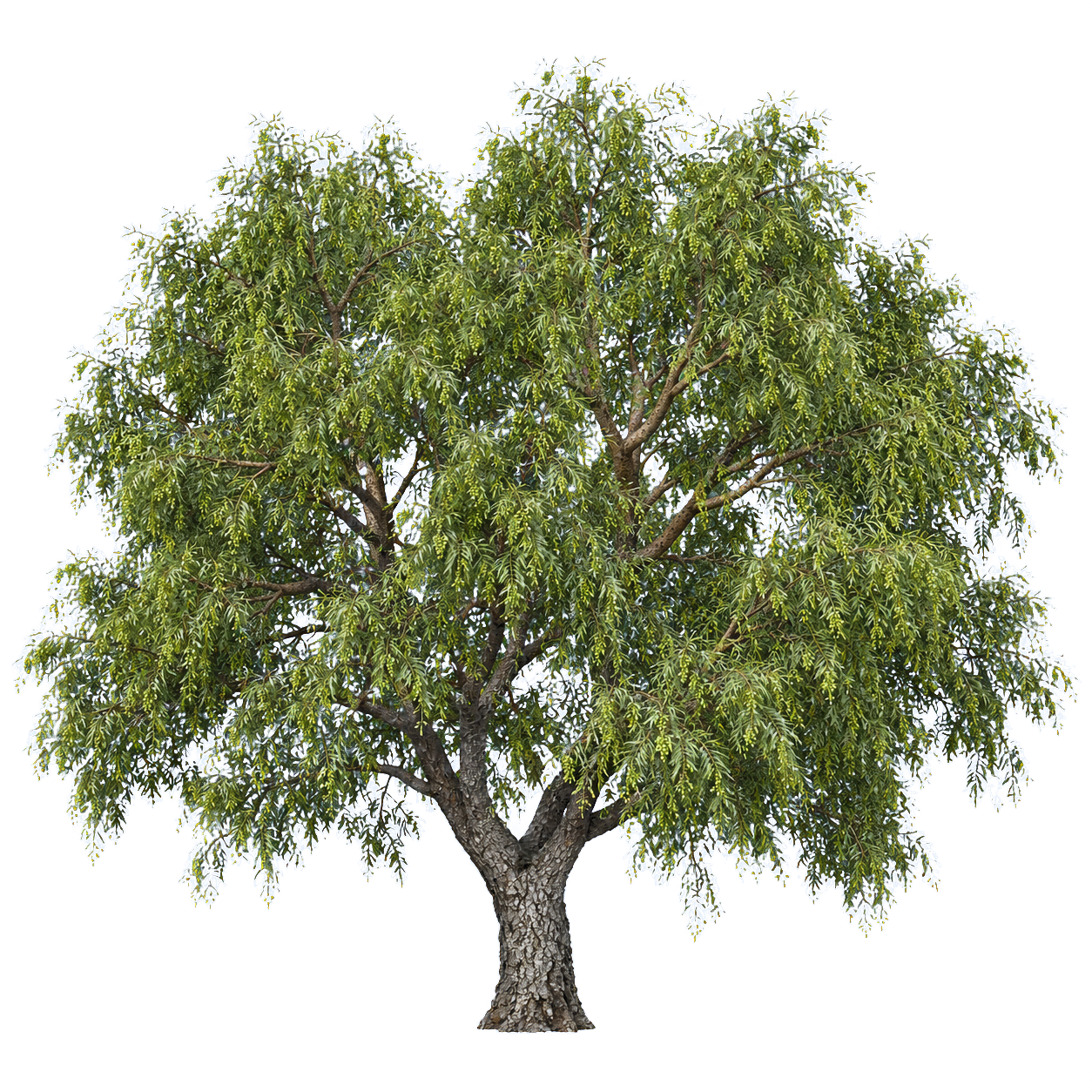
Searsia lancea
Karee
Spreading · Evergreen · 10 m
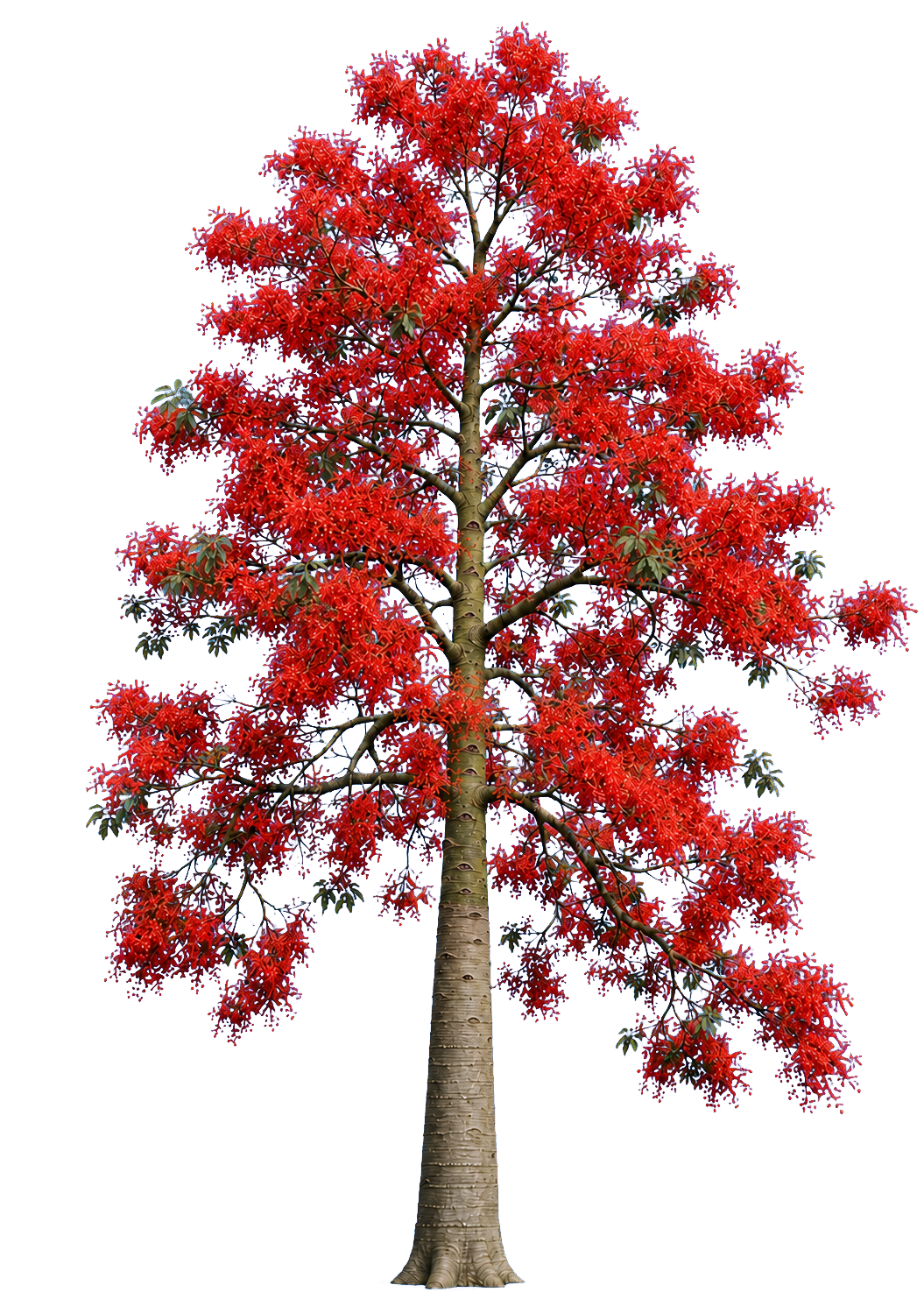
Brachychiton acerifolius
Illawarra Flame Tree
Upright · Drought Deciduous · 20 m
What a species profile holds
Vachellia nigrescens
Knob Thorn
In landscape terms, Knob Thorn is a southern African indigenous tree with bushveld character, an upright crown, and a drought-deciduous canopy. Its recorded open-grown scale is around 18 × 15 m. Arbeau places it most confidently in humid subtropical, subtropical highland, and semi-arid or steppe, with warm-temperate maritime and hot-summer Mediterranean as secondary climates. The clearest applications are estate avenues and parks and large gardens, with additional scope for habitat and restoration planting and rural and farm landscapes. Useful performance strengths include drought tolerance once established. Thorniness makes high-contact locations less suitable.
Open the full profile- Mature size
- 18 m · 15 m
- On a harsh windy site
- 12 m · 10 m
- Growth rate
- Moderate
- Habit
- Upright
- Leaf retention
- Drought Deciduous
- Seasonal interest
- None
- Drought tolerance
- High
- Wind tolerance
- Medium
- Root behaviour
- Medium
- Water needs
- Low
- Years to establish
- 2
- Native range
- Southern tropical and southern Africa.
The full profile adds climate fit across five tiers, landscape use cases, site suitability for tree pits, parking, avenues, coastal exposure and buried services, establishment needs, any safety or maintenance warnings, and every render the species has.
How the information is held
Arbeau is a studio library, not a reference work. It is assembled from botanical and horticultural sources, from the studio's own practice, and from professional judgement about how species behave in designed landscapes. That mixture is a strength for design work and it is not the same thing as independent verification, so it is described here plainly rather than presented as a settled authority.
- 01
Checked for consistency
Every published record is checked against the library's own rules: that figures are in the right units and plausible ranges, that related fields agree with each other, and that nothing contradicts itself. This is an automated check of the record. It says nothing about whether a value is botanically right.
- 02
Researched against sources
Individual fields are researched against botanical and horticultural literature, and the passage that supports each conclusion is recorded. This is done field by field and species by species, and it is ongoing rather than finished.
- 03
Reviewed and amended
A researched conclusion changes the library only when the studio has read the evidence and accepted it. Where the evidence does not settle a question, the gap is recorded as a gap.
Nothing in the library is marked as verified on the strength of an automated check. Where the library does not hold a value, the species profile leaves it out rather than filling the gap, so what you read is what the studio holds and no more.
Arbeau is built by 34 Degrees Design, a spatial design studio working in landscape architecture, urban design and planning at 34 degrees south. The library grew out of specifying trees for real projects and hitting the same problem every time: the information a designer needs to choose well is scattered across nursery lists, field guides and experience, and almost none of it is written down in one place with the tree in front of you.
See the studio's practiceOpen the library
Browse the full collection, filter it to your site and open any species for its complete profile.
Early release. The library is in active use and growing, and the review pass across it is ongoing.
For broader urban design, planning and public realm strategy, explore the Practice →